Heat Exhaustion vs. Heat Stroke

Every Worker Should Know the Difference
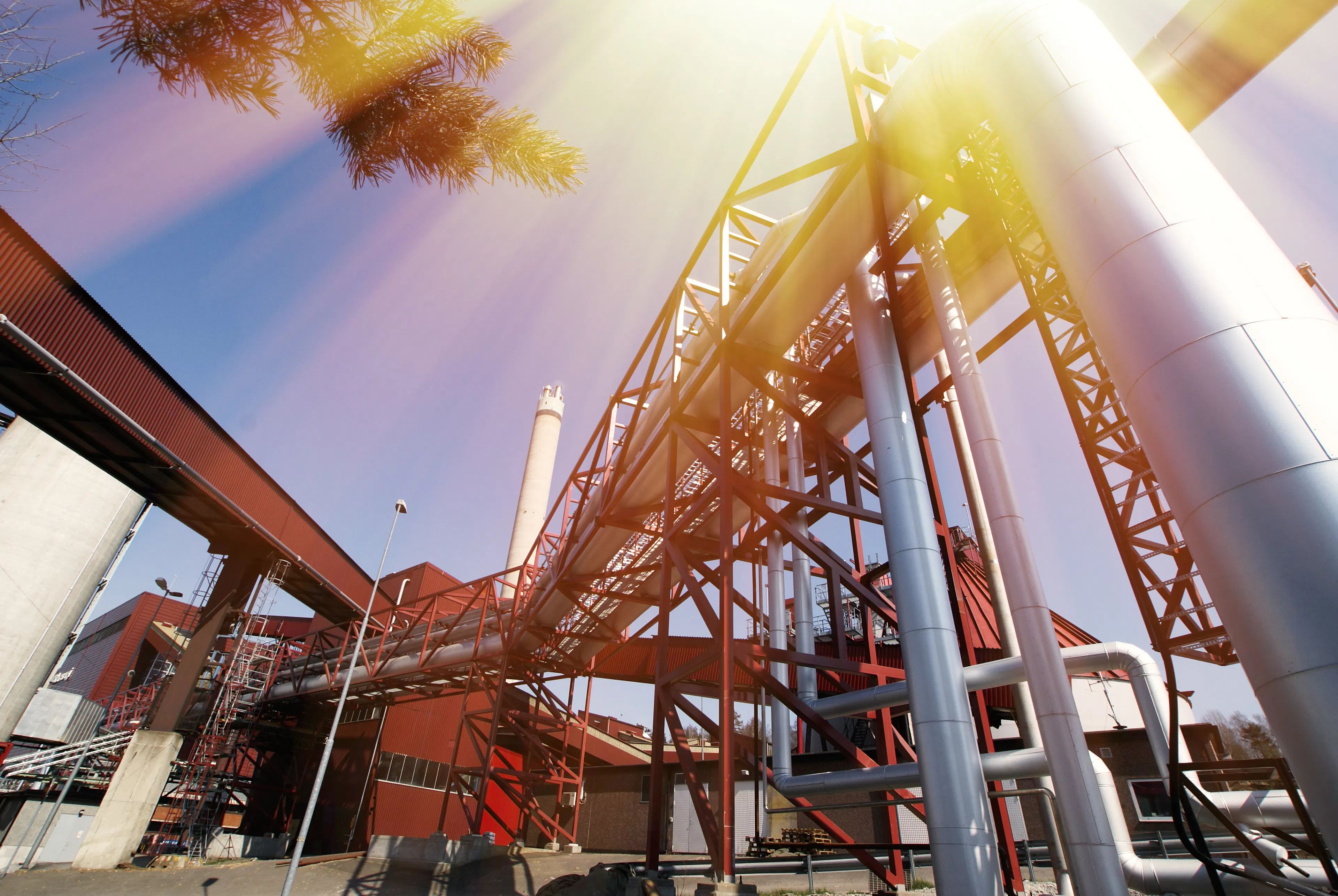
As temperatures climb each summer, heat illness becomes one of the most significant hazards facing workers in construction, wind energy, utilities, telecommunications, manufacturing, oil & gas, and other industrial environments.
For workers performing physically demanding tasks - especially those wearing PPE, climbing towers, working on rooftops, or operating in confined spaces - heat stress can escalate rapidly. Recognizing the difference between heat exhaustion and heat stroke can mean the difference between a quick recovery and a life-threatening emergency.
Whether you're a safety manager developing a heat illness prevention program or a technician working at height, understanding these conditions is critical.
Why Heat Illness Is Such a Serious Workplace Hazard
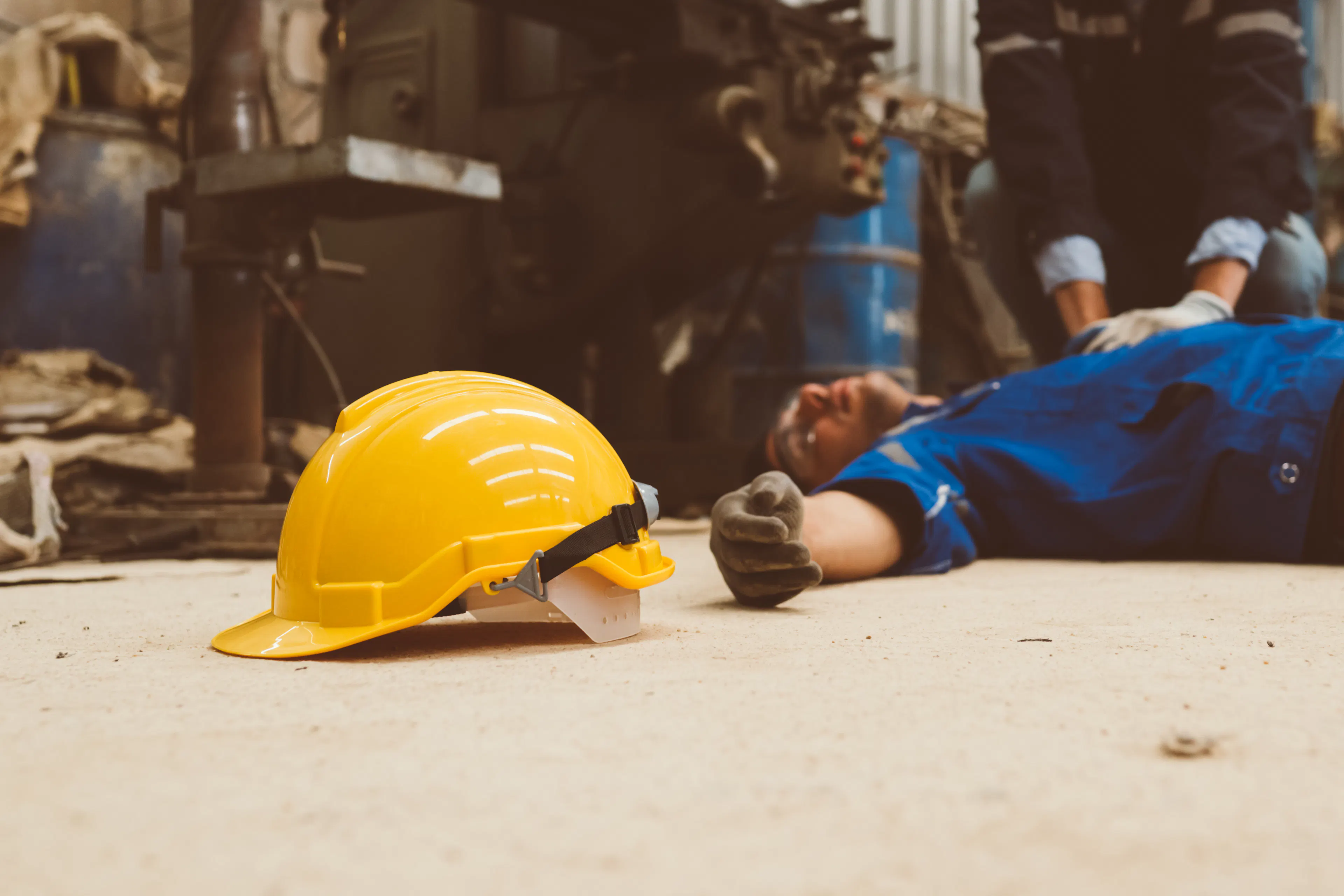
Working outdoors or in high-temperature industrial environments naturally raises body temperature. Add heavy protective clothing, climbing, lifting, or prolonged exposure to direct sunlight, and the body's cooling system can quickly become overwhelmed.
The progression usually follows this path:
- Dehydration
- Heat stress
- Heat exhaustion
- Heat stroke
The earlier symptoms are recognized, the easier they are to reverse. Ignoring them can allow heat stroke to develop within minutes.

What Is Heat Exhaustion?
Heat exhaustion occurs when the body loses excessive water and electrolytes through sweating. Although serious, it is generally reversible when recognized early and treated properly.
Common causes
- Prolonged work in hot environments
- Heavy physical exertion
- Inadequate hydration
- Electrolyte depletion
- Wearing heavy PPE
Warning signs
- Heavy sweating
- Headache
- Dizziness
- Nausea
- Muscle cramps
- Pale or clammy skin
- Weakness
- Rapid pulse
- Fast breathing

First Aid for Heat Exhaustion
If someone shows signs of heat exhaustion:
- Move them into a shaded or air-conditioned area.
- Remove unnecessary PPE if safe.
- Encourage cool water or electrolyte drinks if they are alert.
- Cool the body using wet towels or cool water.
- Elevate the legs if appropriate.
- Continue monitoring for worsening symptoms.
If symptoms don't improve - or begin getting worse - seek medical evaluation immediately.
What Is Heat Stroke?
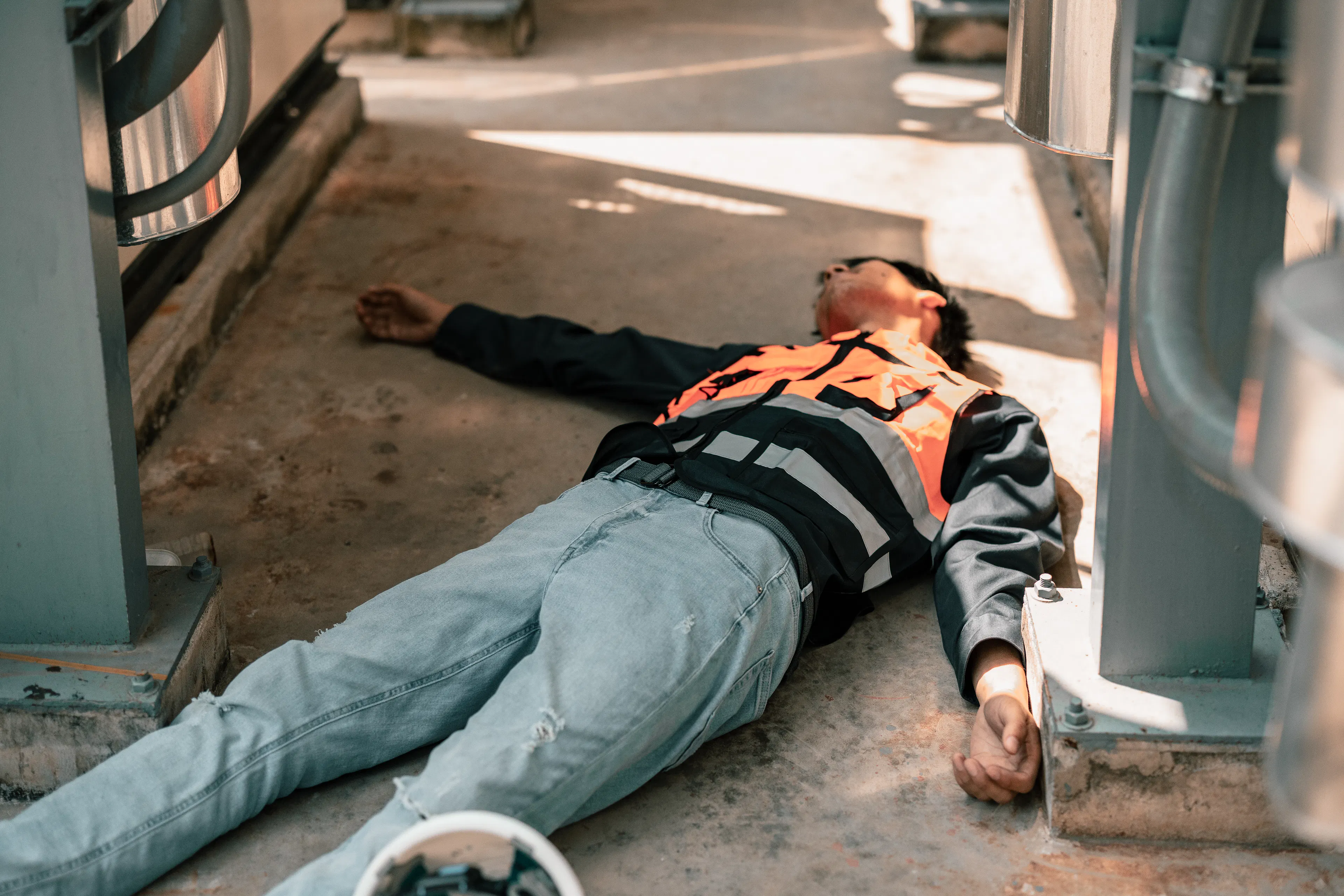
Heat stroke is a medical emergency.
Unlike heat exhaustion, the body's cooling system has failed. Core body temperature typically reaches 104°F (40°C) or higher, and permanent injury can occur quickly. Without immediate treatment, heat stroke can result in organ damage, brain injury, or death.
Watch for:
- Hot, red skin
- Confusion
- Irritability
- Slurred speech
- Loss of coordination
- Full, rapid pulse
- Altered mental status
- Loss of consciousness
- Seizures
Unlike heat exhaustion, sweating may be minimal or absent - but not always. Workers can still sweat during exertional heat stroke, so mental status changes and dangerously high body temperature are more reliable warning signs.

What To Do If You Suspect Heat Stroke:
1. Treat heat stroke as a life-threatening emergency.
2. Call emergency medical services immediately.
3. Move the worker to a cooler location.
4. Begin aggressive cooling without delay.
5. Apply ice packs to the neck, armpits, and groin.
6. Remove excess clothing and PPE.
7. If available and appropriate, immerse the person in cold water.
8. Continue cooling until emergency responders arrive.
Never delay cooling while waiting for medical personnel.

Heat Exhaustion vs. Heat Stroke
Heat Exhaustion
• Heavy sweating
• Pale, clammy skin
• Muscle cramps
• Weakness
• Usually alert
• Replace fluids

Heat Exhaustion vs. Heat Stroke
Heat Stroke
• Hot body, very high temperature
• Hot, flushed skin
• Confusion or altered mental status
• Loss of consciousness
• Medical emergency
• Immediate EMS response
Heat Illness Prevention for Workers at Height
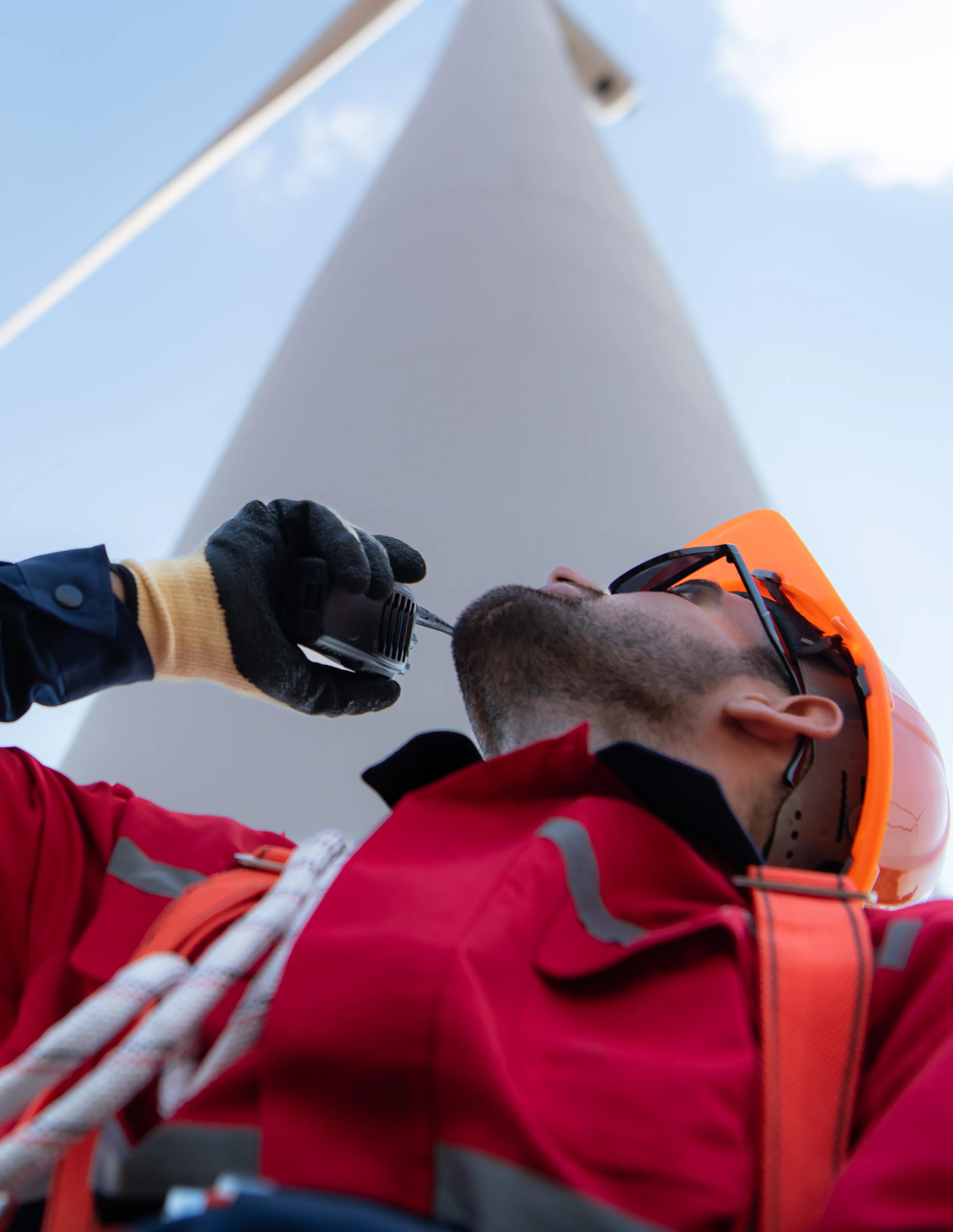
Working at height introduces unique challenges. Climbing ladders, towers, turbines, or structural steel increases physical exertion while limiting opportunities for frequent cooling breaks.
Employers should consider:
- Scheduling demanding work during cooler hours
- Providing shaded recovery areas
- Encouraging frequent hydration
- Replacing lost electrolytes during prolonged work
- Implementing work/rest cycles
- Monitoring new workers during heat acclimatization
- Training crews to recognize early warning signs
- Establishing emergency response procedures before work begins
For workers wearing fall protection systems and other PPE, heat stress can develop more quickly than many people realize.
Why Heat Safety Training Matters
Knowledge is one of the most effective forms of PPE.
Workers who understand how heat illness develops are far more likely to recognize early symptoms in themselves and coworkers before a minor issue becomes a medical emergency. Regular safety training reinforces proper hydration, work planning, hazard recognition, and emergency response - helping crews stay productive while reducing preventable incidents.
At Tech Safety Lines, we believe preparation is every bit as important as equipment. Whether teams are working on wind turbines, industrial facilities, construction sites, confined spaces, or other high-risk environments, effective training helps build the confidence to respond when conditions change.

Final Thoughts
Heat illness is almost always preventable - but only when the warning signs are recognized early and workers are prepared to act. Understanding the difference between heat exhaustion and heat stroke, staying hydrated, monitoring coworkers, and following established emergency procedures can save lives. As temperatures rise, make heat safety part of every job briefing - not just another item on the checklist.
Build a safer workforce with hands-on industrial safety and rescue training from Tech Safety Lines