MCD®: Supporting Rescue Readiness and Life Preservation
Accident prevention and life preservation begin before work starts. For teams working at height, that means identifying hazards, selecting appropriate protective equipment, and preparing for an emergency that could leave someone unable to reach safety.
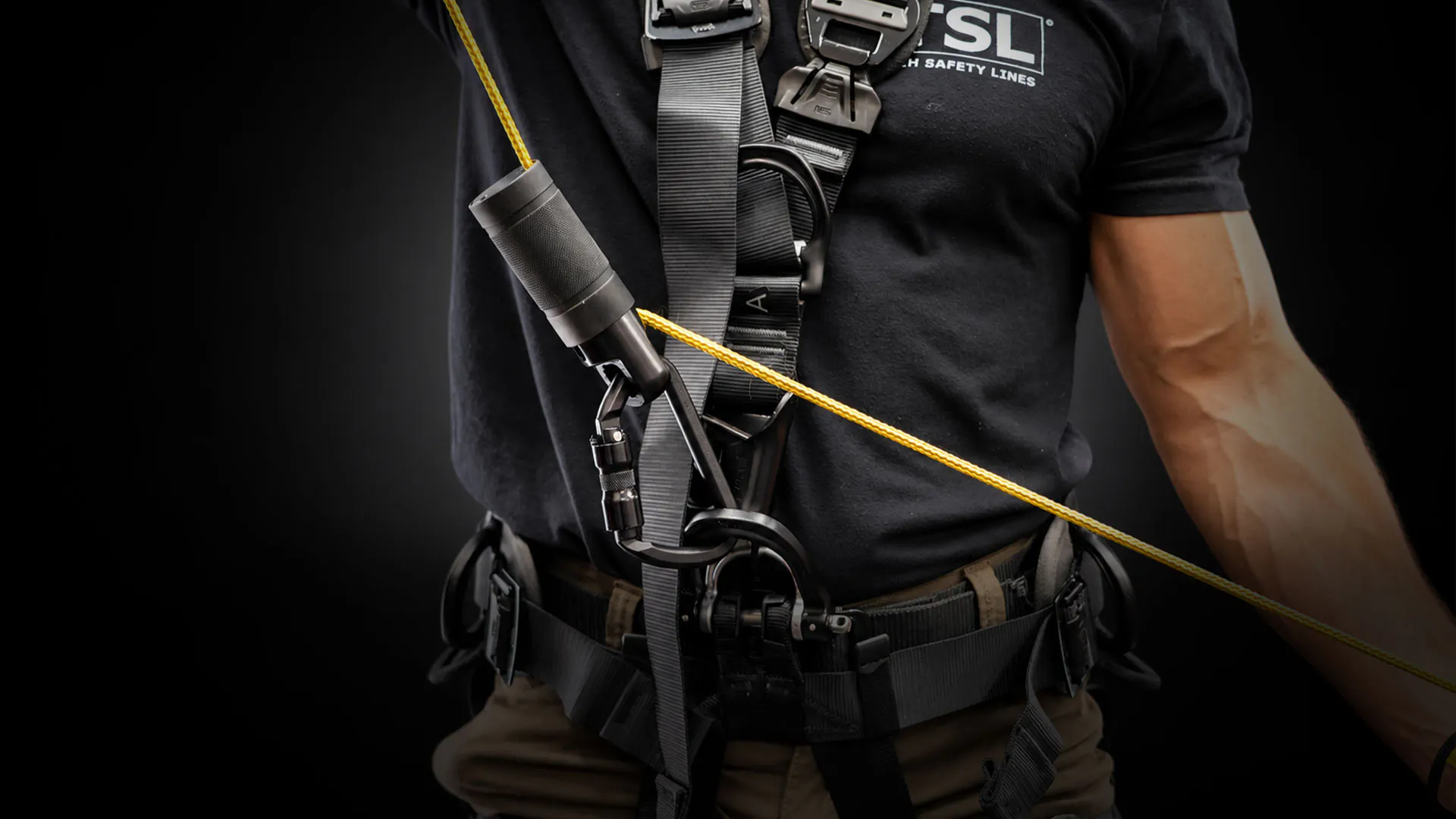
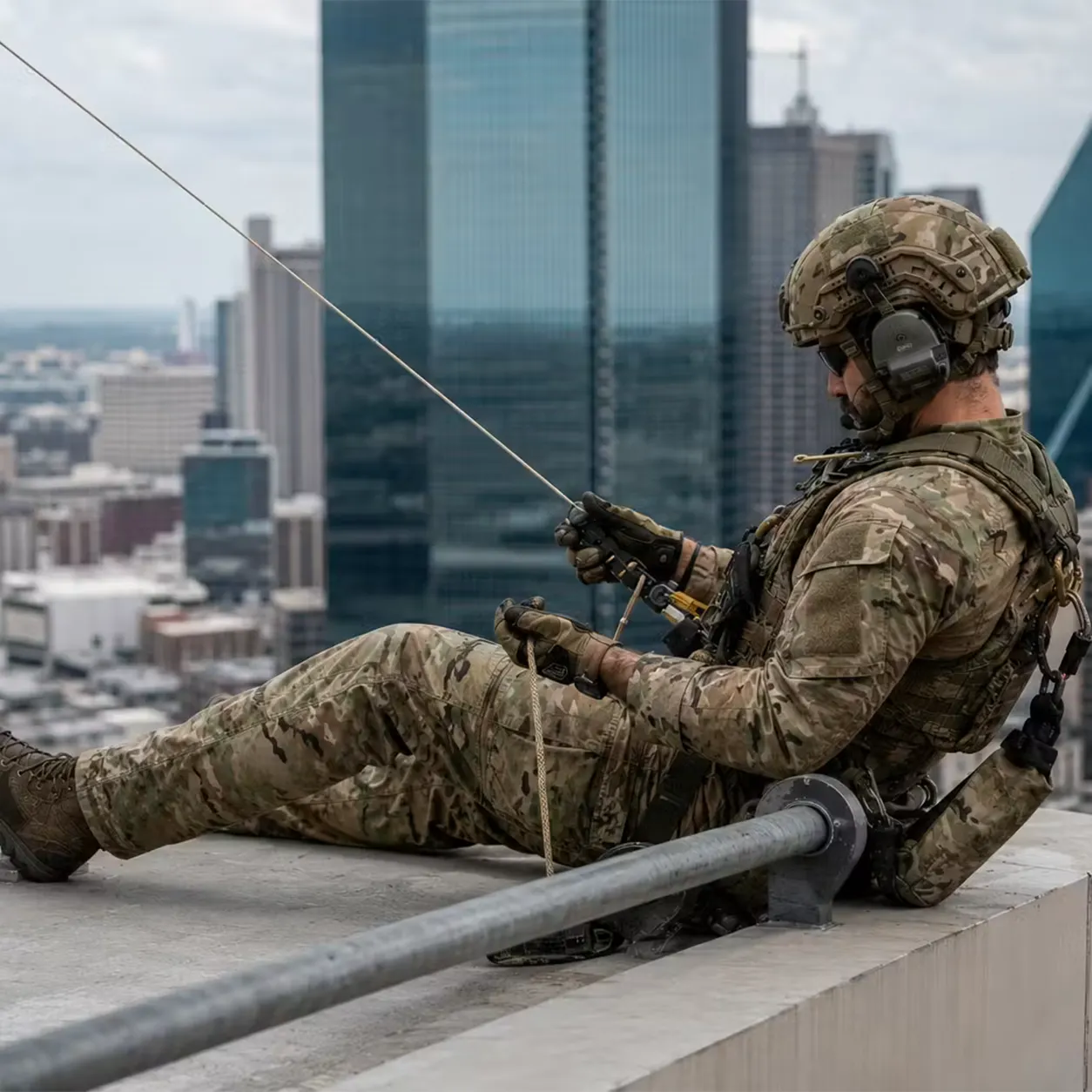
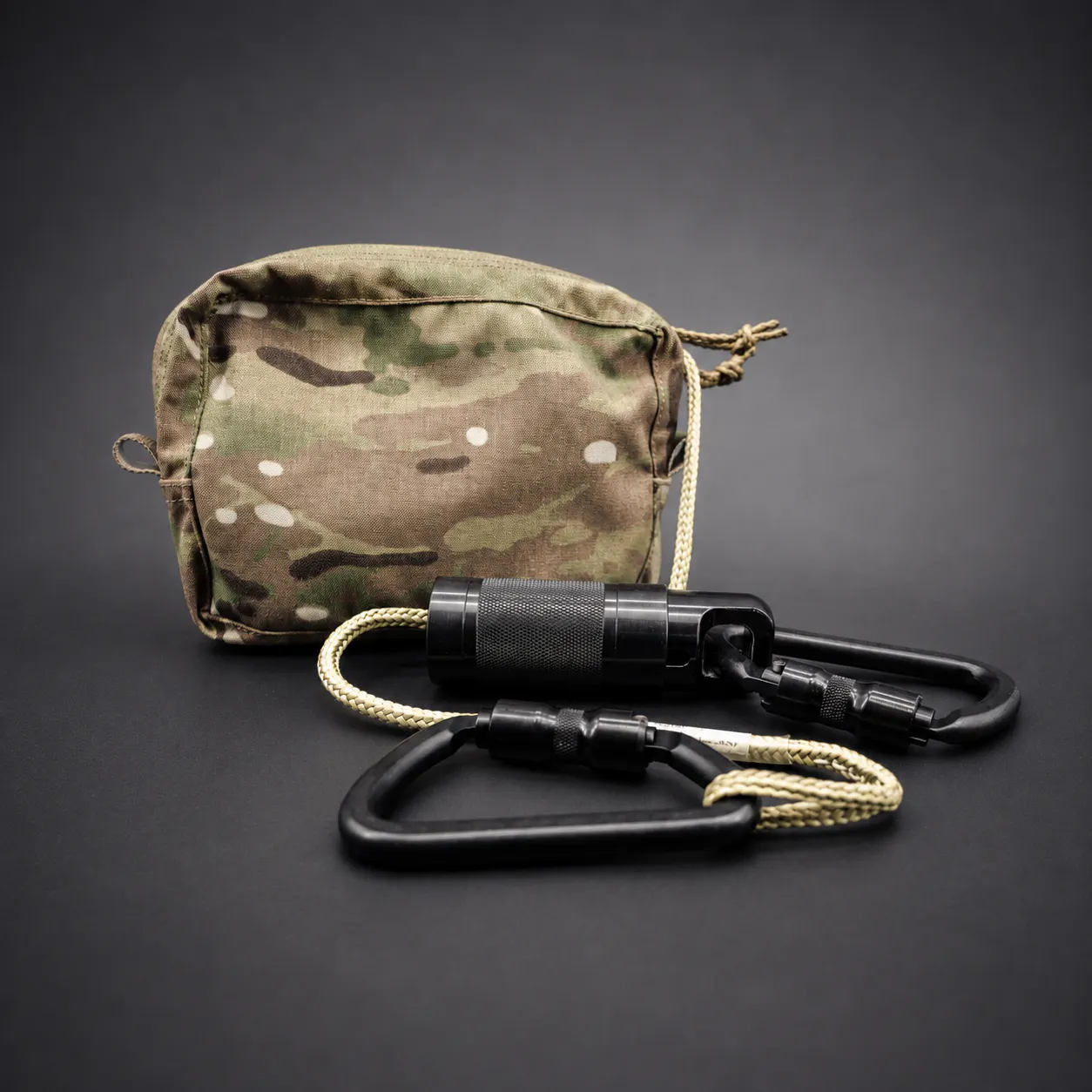
The Military Compact Descender® (MCD®) from Tech Safety Lines supports that preparation. This compact descent and rescue system provides controlled personal egress and can be configured for assisted rescue. Its role is to give trained personnel a planned means of descent when conditions require an emergency exit.
If someone cannot get down safely, what is the rescue plan?
What Is the MCD®?
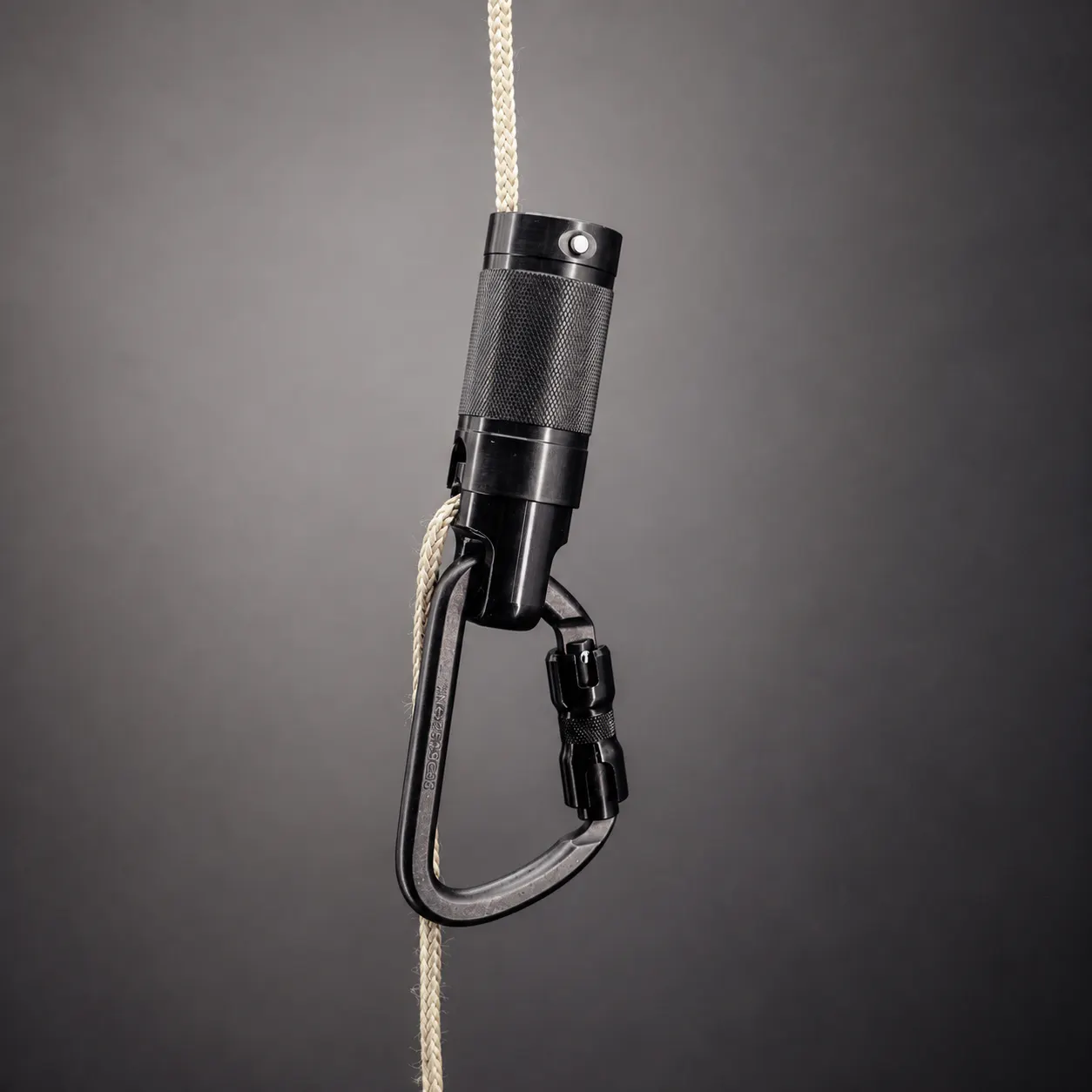
The MCD® is a compact, self-contained system designed for personal descent, assisted rescue, and controlled lowering. It combines one-hand descent control with a passive brake that stops descent when the operator releases the control.
Although its name reflects its military application, teams in other industries can work with TSL to evaluate an appropriate system configuration for their particular work environment, hazards, and rescue requirements.
How Does Rescue Planning Support Accident Prevention?
Accident prevention focuses on reducing the likelihood of an incident. Rescue planning addresses how a team will respond if an emergency occurs despite those precautions. Both belong in a comprehensive approach to protecting workers.
Developing a rescue plan also creates an opportunity to examine the work more closely:
- Where could a teammate become stranded?
- What could make the normal exit route unavailable?
- Can the teammate perform a self-rescue?
- How will the team assist someone who cannot operate a device?
- What equipment and training are needed before work begins?
Answering these questions helps teams recognize gaps before an emergency exposes them. A descent device serves a specific role within that plan. It does not replace the measures needed to prevent a fall or control workplace hazards.
What Features Make the MCD® Useful for Emergency Descent?
One-Hand Descent Control
The MCD® allows an operator to activate and control descent with one hand, providing a defined control method for emergency egress.
Passive Braking
Releasing the control engages the passive brake, stopping descent and holding the operator in position with both hands free. Operators must learn and practice this function as part of their equipment training.
Self-Rescue and Assisted-Rescue Configurations
An emergency plan must account for people who can evacuate themselves and those who need assistance. The MCD® can be configured for controlled lowering of an injured or incapacitated person, extending its capabilities beyond personal escape.
Compact, Configurable Packaging
Portability matters when selecting equipment that must be carried or positioned nearby. TSL lists military kit weights of 1.8 pounds with 50 feet of rope and 2.3 pounds with 100 feet. Kit contents, rope length, and packaging can be tailored to operational requirements.
Advanced Rope Materials
Select military configurations use 4.5 mm rope made with Kevlar® EXO™ fiber. TSL describes this aramid material as combining strength, flexibility, durability, and inherent flame resistance.
Material properties must be considered alongside the limits of the complete rescue system. A fiber’s thermal characteristics do not establish a safe operating temperature for the assembled kit or authorize exposure to fire, chemicals, or other hazards.
What Should Be Evaluated Before Selecting a Descender?
Start with the mission environment and the rescue scenario. A useful equipment discussion should address descent distance, intended users, anchorage, system compatibility, environmental exposure, equipment access, and the needs of an incapacitated casualty.
The team should also establish who will inspect the equipment, how it will be stored, and how personnel will maintain the skills needed to use it.
These decisions turn an equipment purchase into an operational rescue capability.
Why Is Training Essential?
Having a rescue kit available is only one part of readiness. Personnel need to understand its operation, limitations, and role in their site’s procedures.
Hands-on practice helps teams identify practical problems: equipment that is difficult to reach, a procedure that does not account for an injured teammate or uncertainty about individual responsibilities.
Training should reflect the actual work environment and the selected system. Explore TSL’s training courses and discuss equipment-specific instruction with the TSL team.
Frequently Asked Questions About the MCD®
What does MCD® stand for?
MCD® stands for Military Compact Descender®, a descent and rescue system from Tech Safety Lines.
Can the MCD® support assisted rescue?
Yes. An appropriately configured MCD® system can support controlled lowering of a person who cannot self-evacuate.
Is the MCD® suitable for every work-at-height application?
Suitability must be evaluated for the specific task, environment, and rescue procedure. Contact TSL to discuss configuration and application requirements.
Does having a descender complete a rescue plan?
A complete plan also needs appropriate anchorage, compatible equipment, trained personnel, defined responsibilities, and practiced procedures.
Build Rescue Readiness Before an Emergency
Protecting lives requires preparation at every stage: preventing incidents, recognizing changing conditions, and being ready to respond when someone needs help.
The MCD® can be part of that preparation when it is appropriately selected, configured, and supported by training.
Explore the MCD® and contact Tech Safety Lines to discuss your industry, work environment, and rescue needs.