Personal Rescue at Height: Why Wind Technicians Need an Immediate Escape Solution
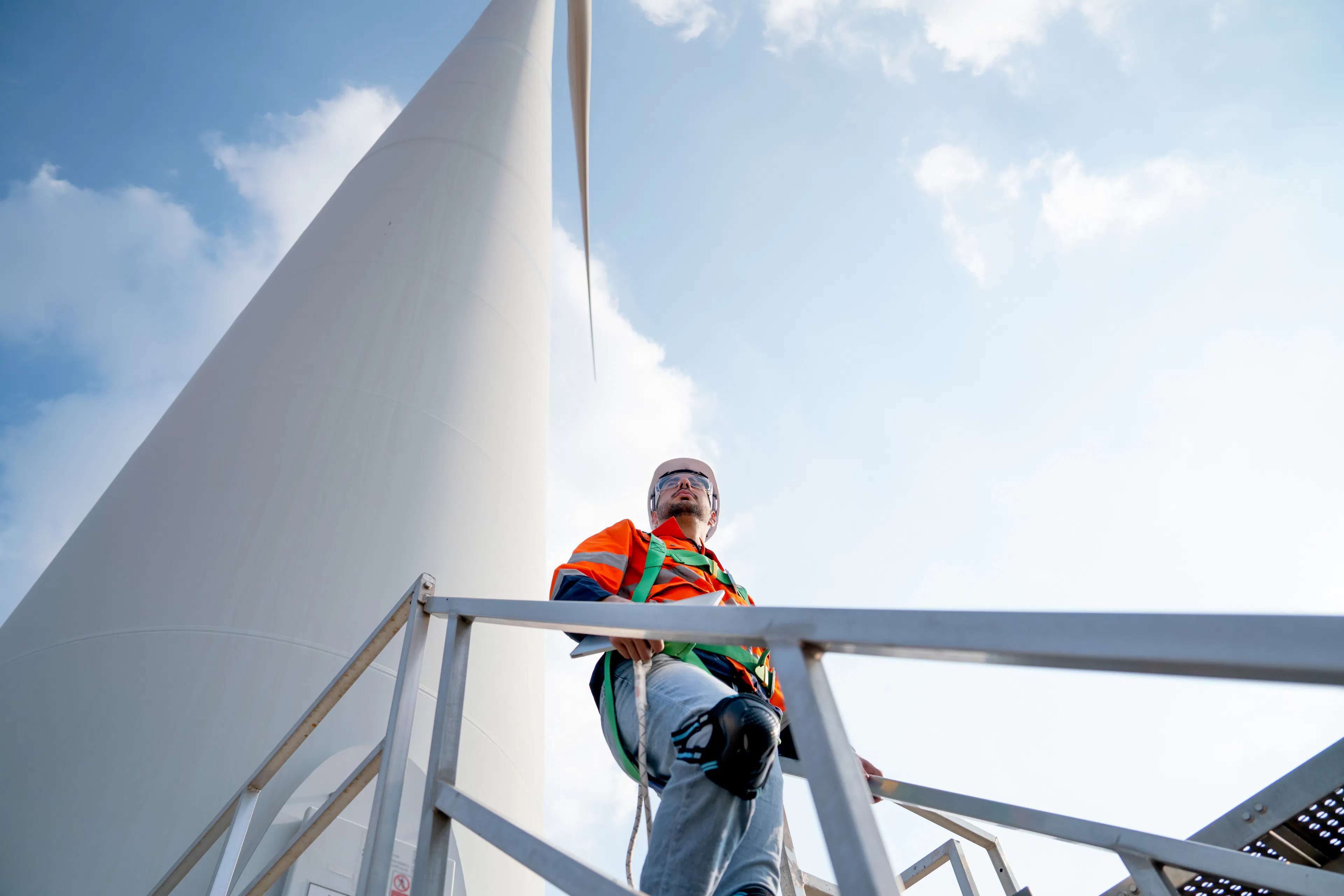
Working hundreds of feet above the ground inside or on top of a wind turbine leaves little room for improvisation when an emergency occurs.
Fire, equipment failure, electrical hazards, medical emergencies, severe weather, or an obstructed primary access route can quickly turn a routine day in the nacelle into an evacuation scenario. When traditional access points are no longer available, technicians need more than a rescue plan - they need the equipment and training necessary to put that plan into action.
That is where a dedicated personal rescue system becomes a critical part of working at height.
Tech Safety Lines (TSL) provides wind energy professionals with compact rescue equipment and hands-on training designed to give technicians an independent means of evacuation, self-rescue, and assisted rescue when every second matters.
The SRK-15® Micro Rescue Kit
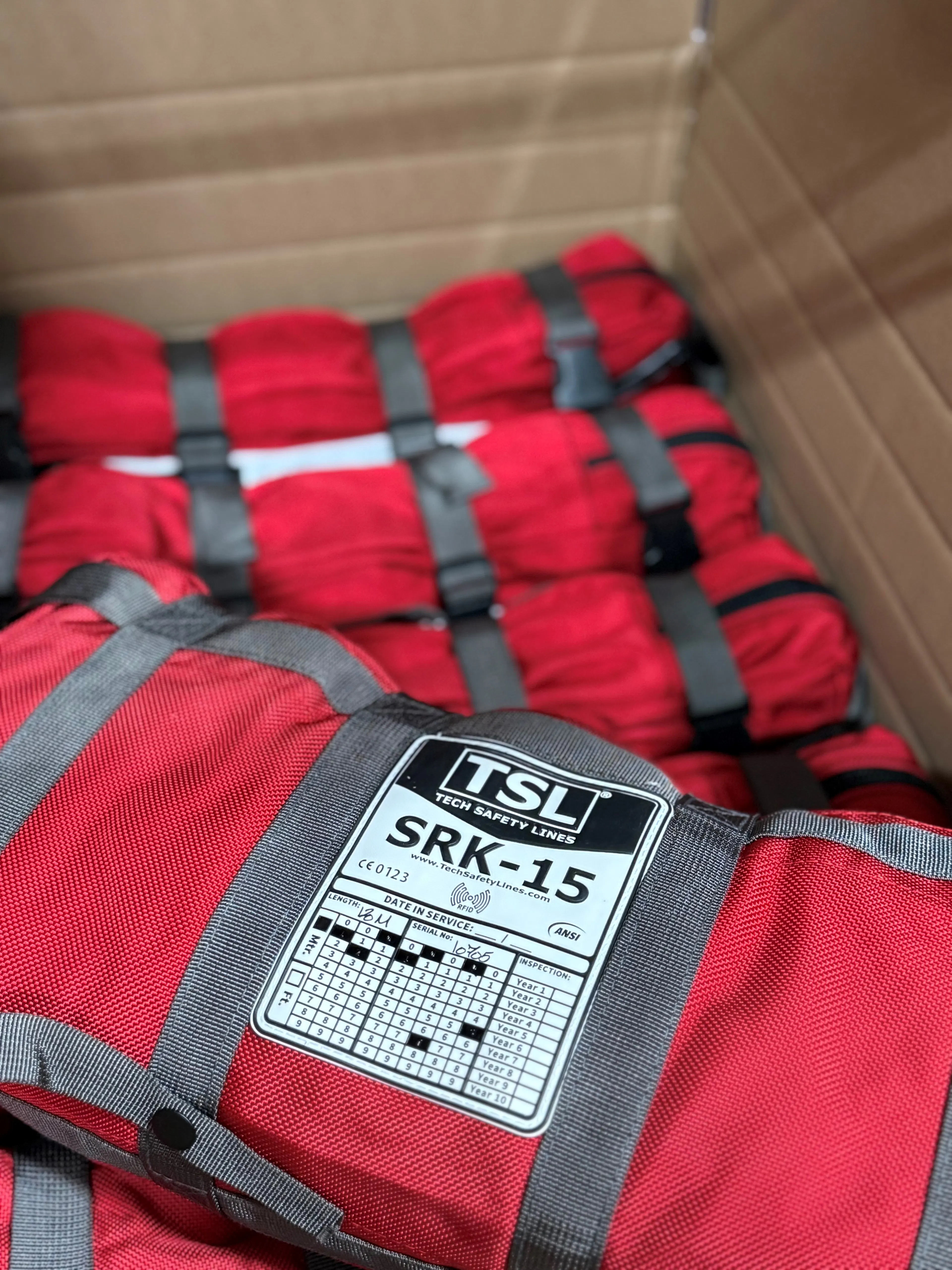
At the center of TSL's personal rescue solution is the CE & ANSI Certified The SRK-15® Micro Rescue Kit, a compact system designed for the self-rescue and assisted rescue of workers at height.
Field-tested for more than two decades and used across multiple industries around the world, the SRK-15® provides technicians with an immediate and adaptable means of evacuation when conventional routes may no longer be available.
For wind technicians, that capability is particularly important.
A turbine can place personnel hundreds of feet above grade and significant distances from emergency responders. Even when a rescue team is available, reaching a technician inside a tower, nacelle, hub, or other elevated location takes time.
Having personal rescue equipment immediately available gives trained technicians another option.
Click Here To View The TSL SRK-15®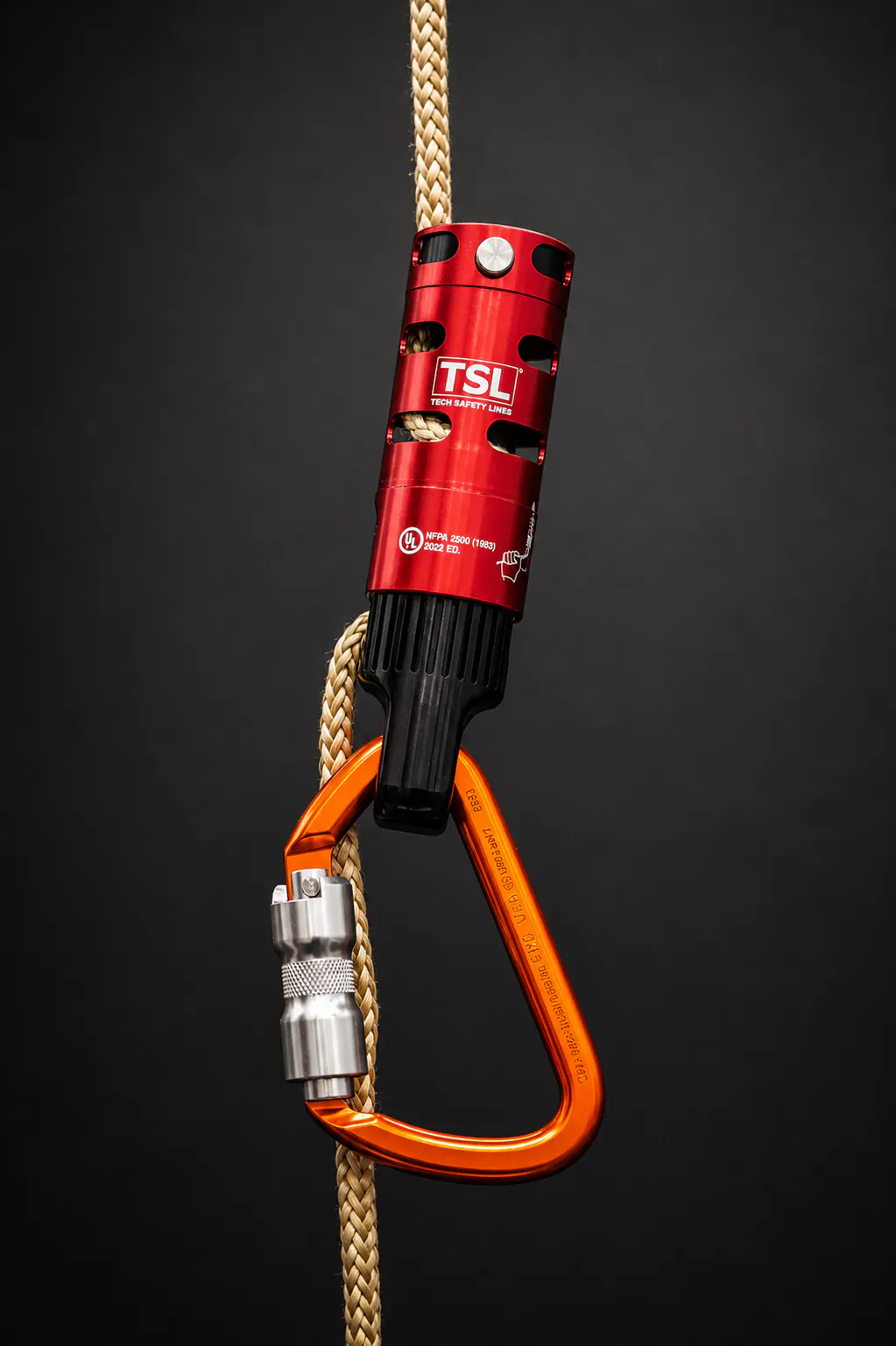
The Military Compact Descender®
Control When It Matters
The SRK-15® incorporates TSL's Military Compact Descender® (MCD®), a personal lowering device designed to provide controlled descent during evacuation and rescue operations.
Its compact configuration allows the system to remain portable enough for workers operating in demanding environments while providing the capabilities necessary for emergency descent.
The system isn't limited to evacuation, either.
The SRK-15® and MCD® can also be configured for assisted rescue, allowing a trained technician to help another worker who may be injured, incapacitated, or otherwise unable to descend independently.
That versatility means a single rescue system can support multiple emergency scenarios rather than serving only one purpose.
Self-Rescue After a Fall
Emergency descent isn't the only situation wind technicians need to consider. Falls remain one of the most serious hazards associated with working at height. Even when a fall-arrest system performs exactly as intended, the emergency isn't necessarily over once the fall has been stopped.
A suspended worker still needs a way to recover or be rescued.
The SRK-15® can be paired with TSL's StepWise® Lanyard to provide trained workers with a self-rescue option following a fall.
Rather than relying exclusively on another technician or an external rescue team to reach the suspended worker, personal rescue equipment can provide another means of addressing the situation.
For wind operators developing comprehensive rescue plans, that additional capability can be extremely valuable.
Built for Significant Working Heights
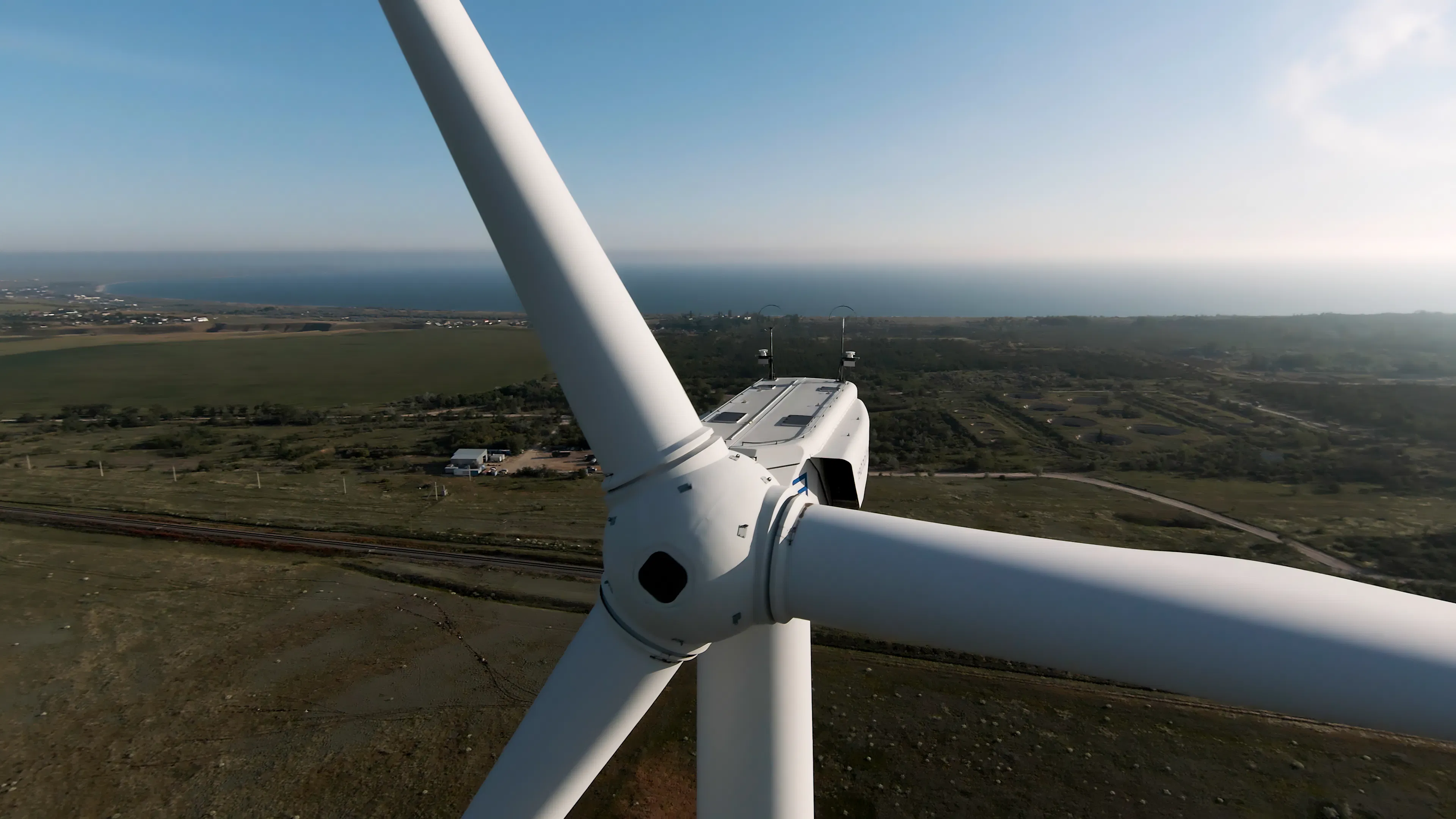
Modern wind turbines continue to increase in size, making rescue equipment capable of supporting substantial descent distances increasingly important.
The SRK-15® has been third-party certified for descent distances up to 690 feet (210 meters).
The system meets ANSI/ASSP Z359.9-2021 requirements through third-party certification by UL and CE EN 341:2011/2D requirements through TÜV SÜD.
Custom rope lengths are also available, allowing organizations to configure rescue equipment around the specific heights and environments in which their technicians operate.
High-Performance Aramid Fiber Rope
A rescue system is only as capable as the components connecting the technician to safety.
TSL's escape and self-rescue systems utilize high-heat aramid fiber rope engineered for demanding industrial environments.
The rope used with the SRK-15® has a tensile strength exceeding 6,700 pounds (3,045 kg), while Technora® fiber provides strength retention across exposure to a broad range of chemicals, concentrations, temperatures, and exposure conditions.
For wind technicians who may encounter oils, lubricants, harsh environmental conditions, heat, and industrial contaminants, rope construction should be an important consideration when selecting rescue equipment.
Compact Equipment Matters in Wind
Space inside a wind turbine is valuable.
Technicians already carry PPE, tools, fall-protection equipment, communications equipment, and other essential gear. A personal rescue system shouldn't unnecessarily interfere with movement or create another cumbersome obstacle while climbing and working.
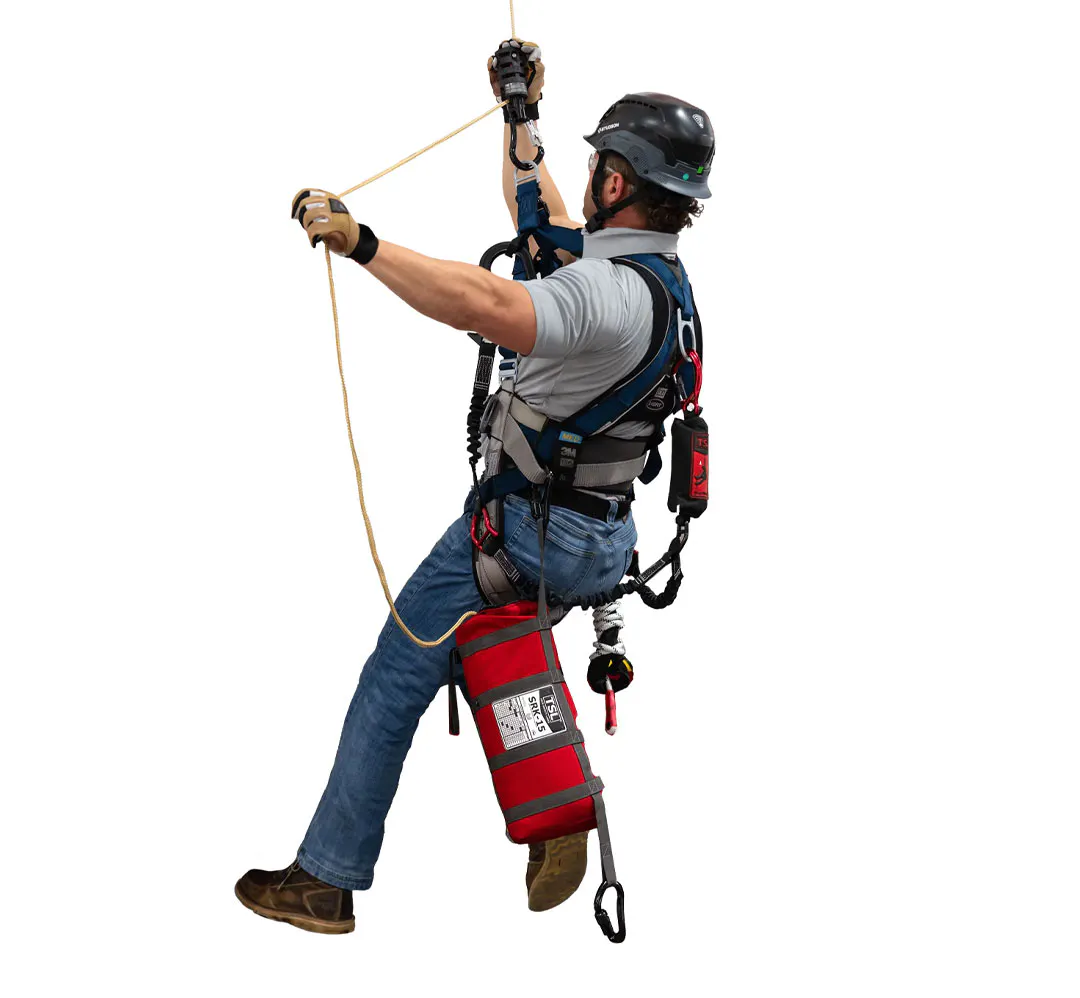
The SRK-15® was designed around portability.
A 350-foot (107-meter) SRK-15® weighs approximately 8 pounds (3.6 kg), while the 690-foot (210-meter) configuration weighs approximately 15.9 pounds (7.2 kg).
The system's compact design allows significant rescue capability to be carried in a relatively small package - an important advantage when technicians need to move through ladders, platforms, nacelles, towers, and confined working areas.
Self-Rescue and Assisted Rescue in One System
One of the greatest advantages of adaptable personal rescue equipment is the ability to address more than one emergency scenario.
A technician may need to evacuate independently during one emergency and assist an injured coworker during another.
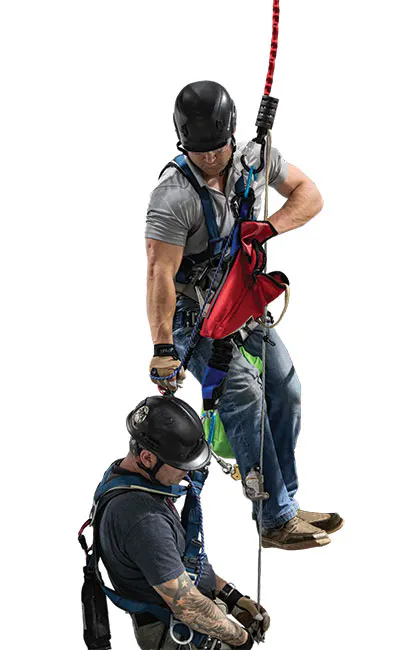
The SRK-15® supports both.
The system can be configured for personal evacuation and self-rescue or inverted for assisted rescue applications. During certain ladder rescue scenarios, for example, trained rescuers can perform an active assisted rescue while maintaining three points of contact.
That flexibility helps organizations build rescue programs around equipment technicians already understand rather than introducing an entirely different system for every possible emergency.
Equipment Is Only Half of Rescue Readiness
Owning rescue equipment does not automatically make a technician rescue-ready.
The worker needs to know how to inspect it, configure it, deploy it, control it, and adapt it to an emergency - before that emergency occurs.
That is why training is an integral part of the TSL rescue system.
Tech Safety Lines' Evacuation & Self-Rescue Training for the Wind Industry provides hands-on instruction focused on the SRK-15® and real-world evacuation and self-rescue applications for both onshore and offshore wind turbines.
Technicians learn how to inspect and operate the system's dual-brake descender and properly configure their equipment so it remains ready for emergency use.
TSL rescue training is delivered by experienced professionals, including firefighters, EMTs, technical rescue specialists, and members of Urban Search & Rescue teams who bring real emergency-response experience into the training environment.
The goal isn't simply to show technicians how the equipment works.
It's to build the familiarity and confidence necessary to use it when conditions are far from ideal.
Meet TSL's TrainersPreparing Wind Technicians for the Unexpected
Emergency response at height requires planning long before an incident occurs.
For wind energy companies, that means evaluating questions such as:
- Can technicians evacuate if the primary ladder or lift becomes inaccessible?
- Does each technician have immediate access to appropriate rescue equipment?
- Can a worker perform a self-rescue following a fall?
- Can technicians assist an injured or incapacitated coworker?
- Is the available rescue equipment appropriate for the turbine's working height?
- Have technicians physically practiced the rescue procedures they may someday need to perform?
A written rescue plan is important. The ability to execute it is what ultimately matters.
Build Rescue Capability Into Every Climb
Wind technicians operate in environments where emergency assistance may be hundreds of feet—and many minutes - away. Personal rescue equipment helps close that gap.
By combining the SRK-15® Micro Rescue Kit, Military Compact Descender®, compatible fall-protection equipment such as the StepWise® Lanyard, and hands-on rescue training, Tech Safety Lines provides wind energy organizations with a comprehensive approach to evacuation and rescue readiness.
Because when an emergency happens at height, the best rescue system isn't the one sitting on the ground.
It's the one your technicians are trained and prepared to use.
Prepare your technicians before the emergency.
Explore Tech Safety Lines' wind energy rescue equipment and Evacuation & Self-Rescue Training programs to build a rescue solution around your turbines, personnel, and working heights.
Explore Tech Safety Lines Rescue Equipment